
Groundnut oil vs coconut oil vs sesame oil: which is best for Indian cooking?
A practical comparison of three traditional cooking oils by flavour, cooking use and the kind of dishes they suit.

There is no single best oil for every Indian dish
Groundnut, coconut and sesame oils each bring a different flavour and cooking character. The better question is which oil fits the food your household prepares most often.
Groundnut oil: the versatile everyday option
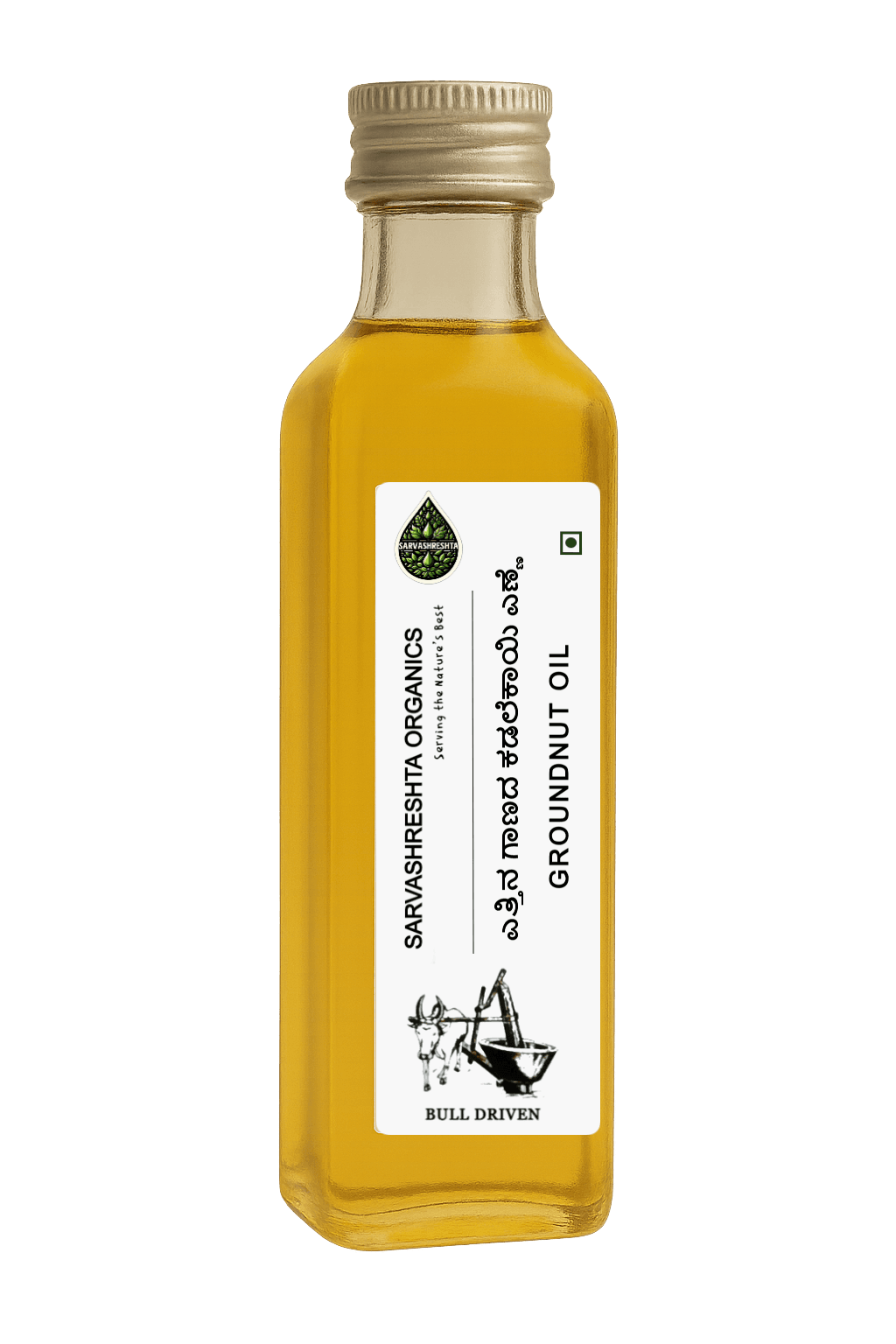
Groundnut oil has a familiar nutty profile and is widely used for everyday Indian cooking. It works naturally with tempering, curries, sautéing, dosa-style cooking and many savoury or fried preparations.
Coconut oil: distinctive and regional
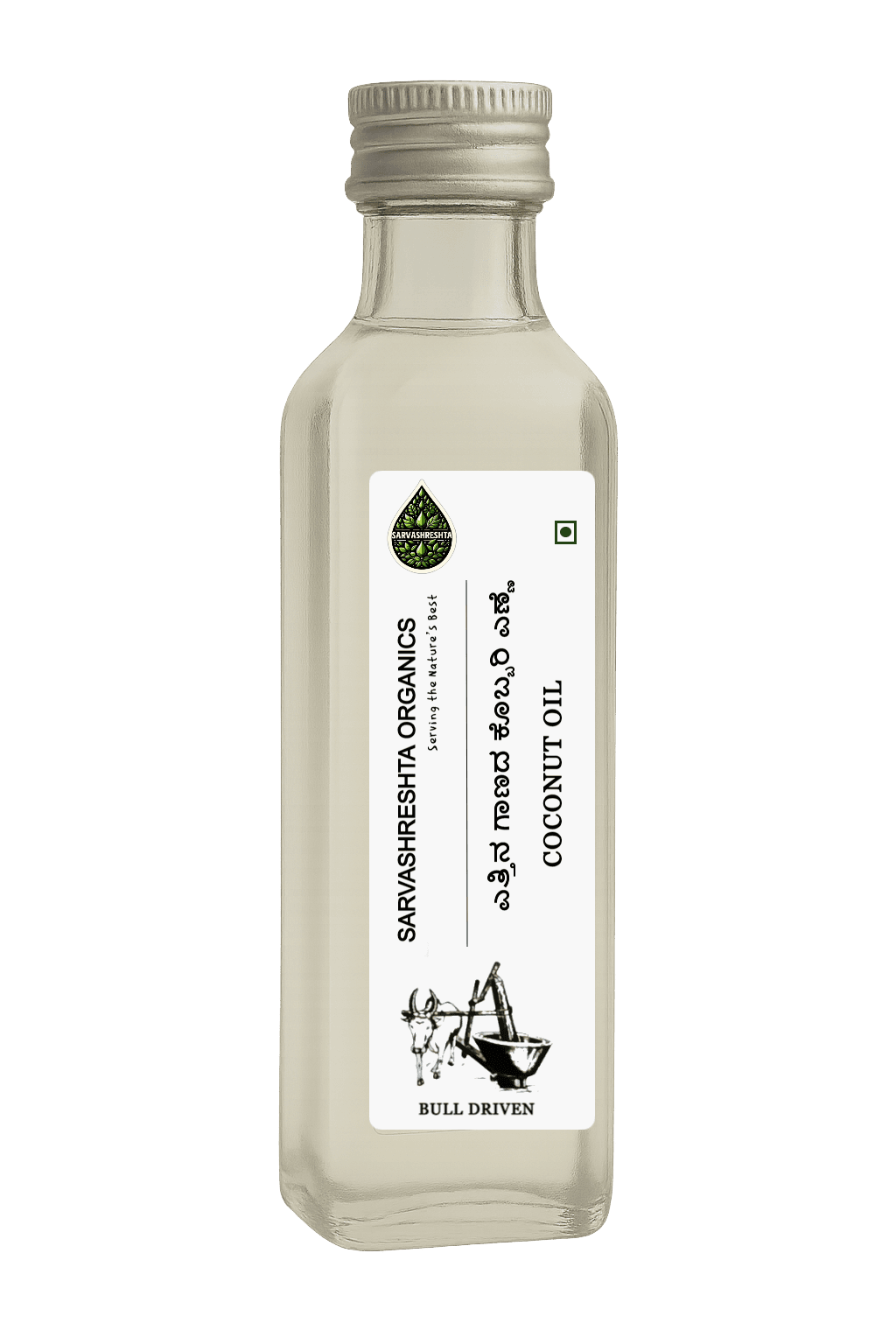
Coconut oil contributes a noticeable coconut aroma. It is especially useful for South Indian and coastal recipes, selected sweets and dishes where that flavour is part of the traditional result.
Sesame oil: deeper flavour for traditional recipes
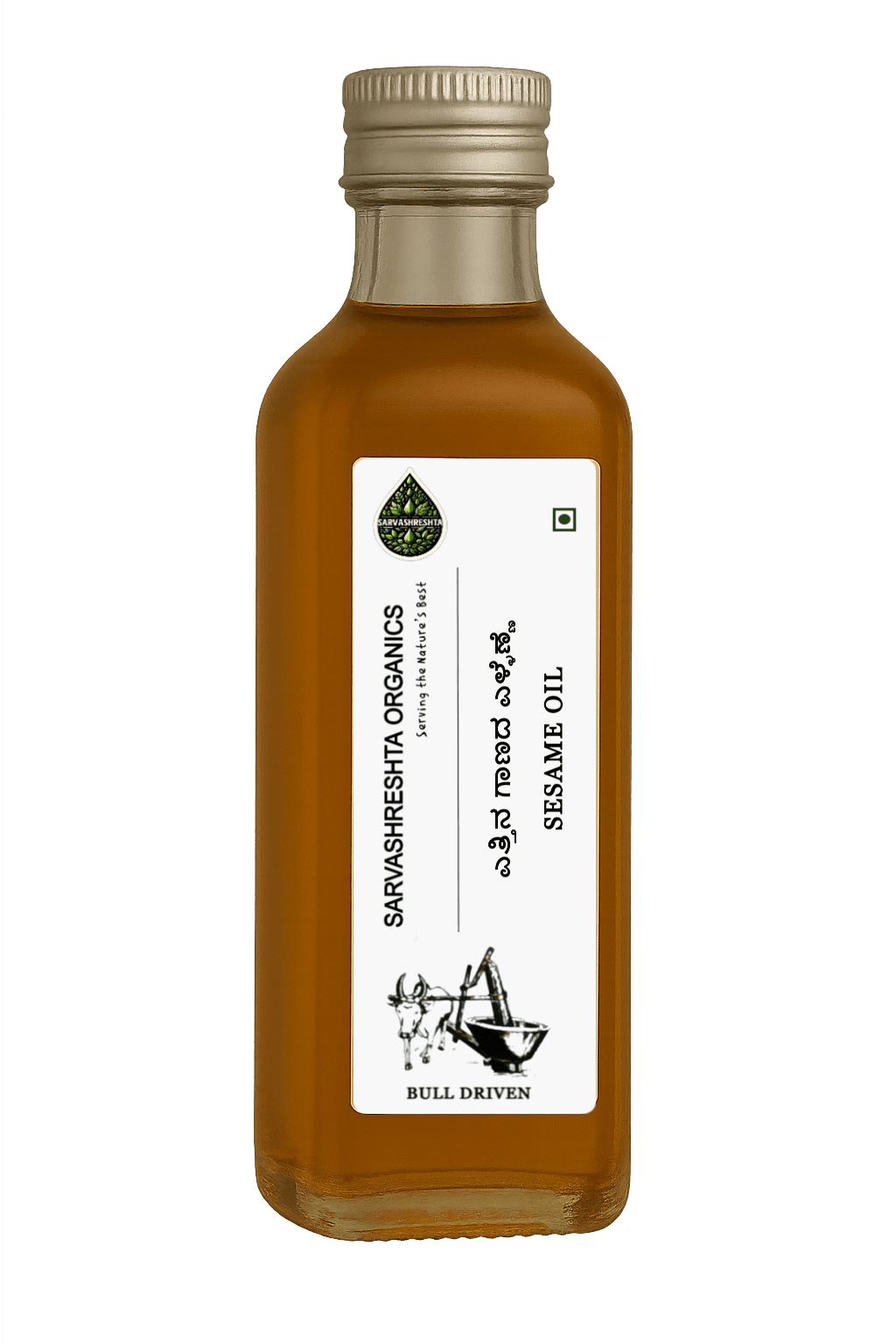
Sesame oil has a stronger, more distinctive character. It is often chosen for traditional rice dishes, pickles, podi-style accompaniments and recipes where the oil itself should be tasted.
Which one should you buy first?
For an all-round household oil, groundnut is an easy starting point. If your cooking regularly uses coconut flavours, coconut oil deserves a place in the kitchen. If you prepare traditional sesame-forward recipes, pickles or rice dishes, sesame oil adds a character the other two do not replace.
Many homes use more than one oil and choose according to the dish rather than forcing every recipe into one bottle.
Choose the oil that fits your cooking.
These links take you to current product sizes and prices, so you can compare before adding anything to your cart.
Looking for traditionally pressed oils?
Explore Sarvashreshta Organics oils and choose the size that suits your home.
Shop cold-pressed oils